

Homeowners insurance is a valuable resource, but it’s not a catch-all for home repairs. Some damages are not covered by a traditional policy, and some are only covered under certain circumstances.
If you’re in the market for homeowners insurance, you should know what is and isn’t covered. Here are 10 coverage gaps in a standard policy:
1. Overland Flooding
Overland flooding occurs when water flows over typically dry land. This can be caused by storm surges, snowmelt in the spring, or other significant weather events.
Most types of flooding aren’t covered by a traditional homeowners insurance policy. If your house gets water damage from overland flooding, you probably won’t be covered. However, water damage is often covered if a storm blows a hole in the roof and rain enters the home.
If you live in a flood zone or an area that experiences hurricanes, purchasing a separate flood policy may be necessary. In some areas, mortgage lenders even require borrowers to purchase flood insurance in addition to their regular homeowners insurance.
2. Sewer or Septic Backups
Sewer backups can be caused by aging lines, heavy rainstorms, or blockages from improper disposal of items. Unfortunately, most standard insurance policies don’t cover damage to your house from a failing sewer line or sump pump.
If a sewer backup occurred due to your city’s improper maintenance or failing infrastructure, they may be found liable for the damage to your home. You can also add an endorsement to your insurance policy to cover damage from a failing sewer line or sump pump.

3. Earthquakes
Homeowners insurance does not cover damage from movements of the earth, which includes earthquakes. If you live in an area at risk of earthquakes, purchasing an earthquake policy could give you peace of mind. A standard earthquake policy covers these damages:
- Repairing or rebuilding your home after earthquake damage
- Repairing or replacing other structures like garages, sheds, or fences
- Replacing personal property lost in an earthquake
- Living expenses if you have to relocate while your home is repaired
4. Sinkholes
Sinkholes form when water gradually dissolves the rock underneath the earth’s surface. A cavity forms in the ground, and the surface eventually collapses and reveals the hole underneath. Sinkholes can cause severe damage to your home’s foundation and can put the entire structural integrity of the house at risk.
Unfortunately, like earthquakes, sinkholes are considered movement of the earth and are generally not covered by homeowners insurance. However, you can purchase an endorsement for sinkhole coverage. A few states require insurance companies to offer sinkhole insurance in addition to the standard policy.
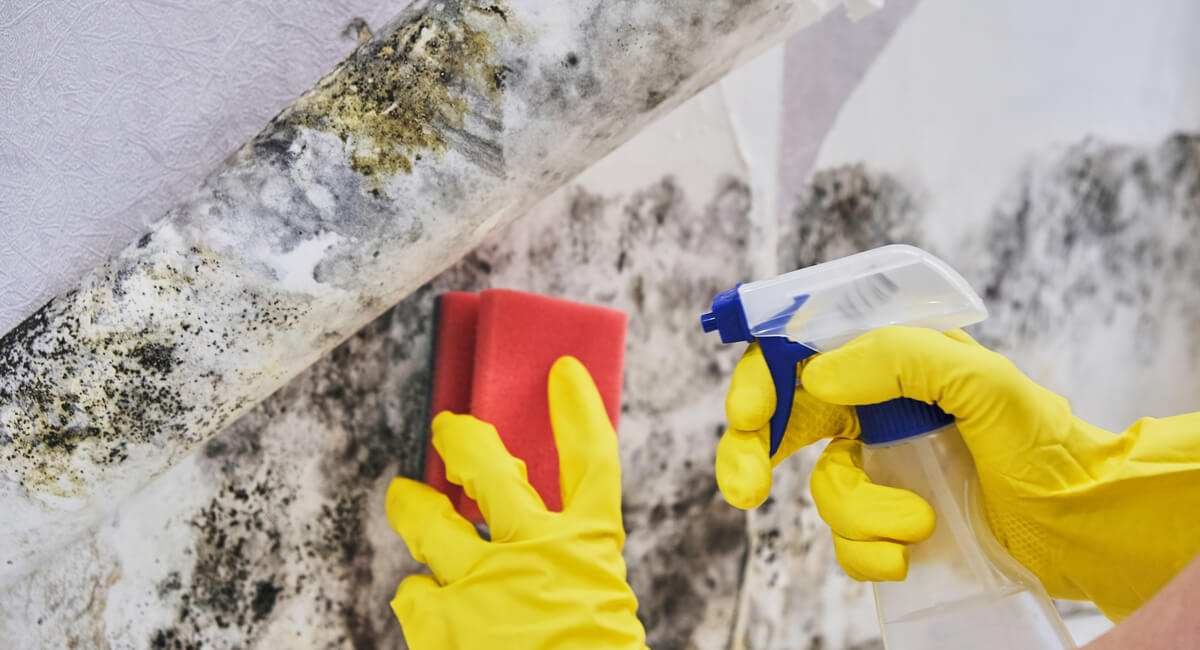
5. Mold
Widespread mold growth can be extremely costly to fix in your home. If mold goes unaddressed, it could lead to health problems or even structural damage to your house.
Your homeowners insurance policy may cover mold remediation if the mold was caused by a covered peril, like water damage from a burst pipe. However, you must act immediately for the damage to be covered. If the mold has built up over time or was caused by poor home maintenance, your insurance won’t cover it.
6. Power Surge Damage
A power surge is a spike in voltage that can damage your electronics or appliances and destroy outlets. Power surge damage is sometimes covered by a standard insurance policy, but it depends on the cause of the surge.
If the power surge was caused by lightning, your policy is likely to cover the damage. If it was caused by the utility company, though, you’ll probably have to file a claim with them.

7. Pests
Infestations of rodents, bed bugs, cockroaches, and other pests can be costly to get rid of. Some critters, like rats and termites, can also cause extensive damage to your home.
Keeping your home free of pests is considered routine maintenance, so your insurance won’t cover pest damage. If you live in an area prone to termites, you could purchase a termite bond from a pest control company. This bond will cover the cost of termite treatment or home repairs if you experience an infestation.
8. Aggressive Dogs
The liability portion of your insurance policy is just as important as the structural coverage. Typically, if your pet hurts someone or damages their property, the liability policy will cover the medical and legal costs. However, some insurance providers exclude certain dog breeds from their coverage.
If your dog belongs to a breed known for aggression or biting, they may not be covered under your home insurance. Some providers base their coverage off of the individual dog’s history rather than the breed. All dog owners should confirm whether their dog is covered when they purchase insurance.
9. Costs to Repair Older Home to Code
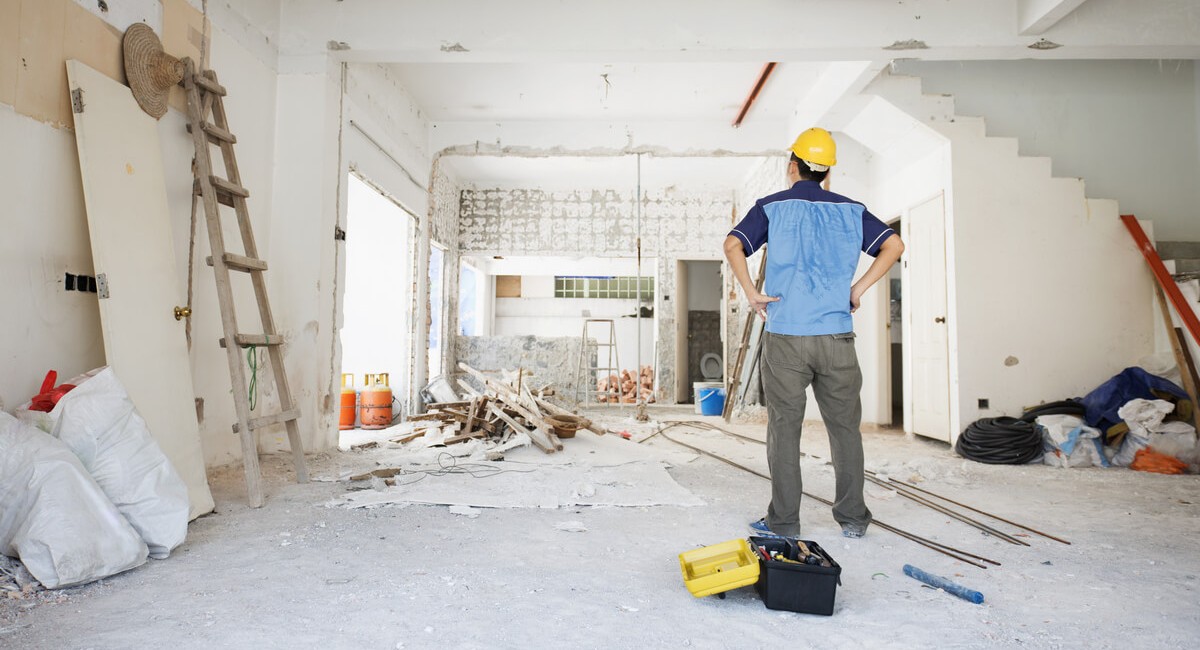
Building codes tend to get stricter over time. If you own an old house, some code violations may be grandfathered. If your home is damaged and needs repair, though, your city or state may require that the repairs bring the property up to code.
In this case, your homeowners insurance may not provide the extra funds needed to make these upgrades. Ordinance or law coverage, an optional endorsement, will pay for the work in these situations. Without this extra coverage, you may find yourself needing to pay out-of-pocket to fix the code violations.

10. Maintenance
Homeowners insurance is meant to cover unpredictable, catastrophic damage to your property. Your policy won’t cover routine and expected maintenance, such as replacing an old roof or heating system. These costs are a normal part of homeownership and must be budgeted for. Also, if your house sustains damage due to poor maintenance, your insurance probably won’t cover the repairs.
Questions to Ask About Your Homeowners Insurance
Before buying a policy, it’s critical that you know what your insurance does and doesn’t cover. This will help you determine whether you need to get extra coverage or budget for other unexpected repair costs.
Here are some of the most important questions you should ask when reviewing a homeowners insurance policy:
- What types of damage does my policy cover?
- Does my coverage include detached structures like a garage or shed?
- Do I have sewer backup coverage?
- Do I have enough dwelling coverage to rebuild my house?
- Do I need a separate flood policy?
- Do I need a separate windstorm and hail policy?
- How much liability coverage do I have?
- If I run a business from my home, what additional coverage should I get?
- Do I need to update my policy if I start renting out my home?
A standard homeowners insurance policy covers many types of loss and damage, but it doesn’t cover everything. Knowing what your policy does and doesn’t cover is important so that you get the right protection. If your home is at risk of certain disasters, it may be wise to get additional coverage. Do your research before buying a policy, and consult with experts who are familiar with the risks in your area.